






27 Cases Reveal Criminal Methods and Defense Strategies in Export Tax Refund Fraud Cases in 2026
Editor's Note: On March 20, 2024, the Interpretation on Several Issues Concerning the Application of Law in Handling Criminal Cases Endangering Tax Collection and Administration officially came into effect. This judicial interpretation made comprehensive adjustments to the threshold for conviction, types of methods, and attempted crime determination for the crime of fraudulently obtaining export tax refunds. This article systematically reviews 27 publicly disclosed cases related to export tax refund fraud from January to August 2026, covering effective criminal judgments, guiding cases from the Supreme People's Court, procuratorial prosecution documents, tax audit transfer reports, and typical cases from the Ministry of Public Security, examining criminal methods and defense strategies from judicial practice.
I. Data Analysis of 27 Latest Export Tax Refund Fraud Cases in 2026
(A) Geographic Distribution
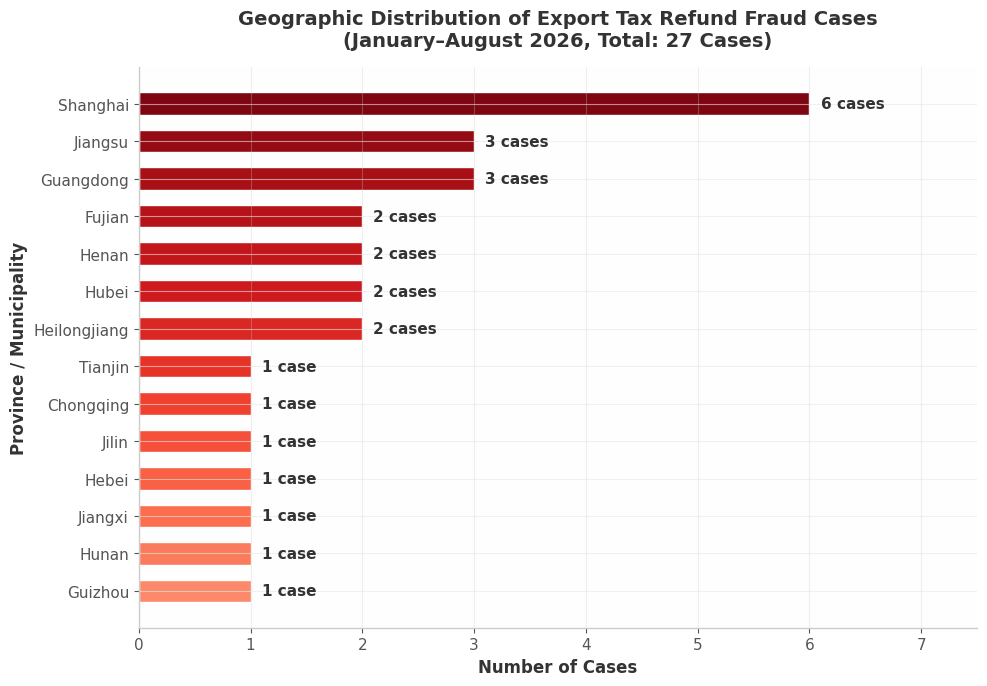
[Image 1: Geographic Distribution Chart — A map or bar chart showing case distribution by province. Shanghai has the most cases (6), followed by Jiangsu and Guangdong.]
Shanghai has the highest number of cases (6), followed by Jiangsu and Guangsu. The three provinces combined account for 44.4%. Coastal foreign trade developed regions remain high-incidence areas for tax fraud crimes.
(B) Amount of Tax Involved
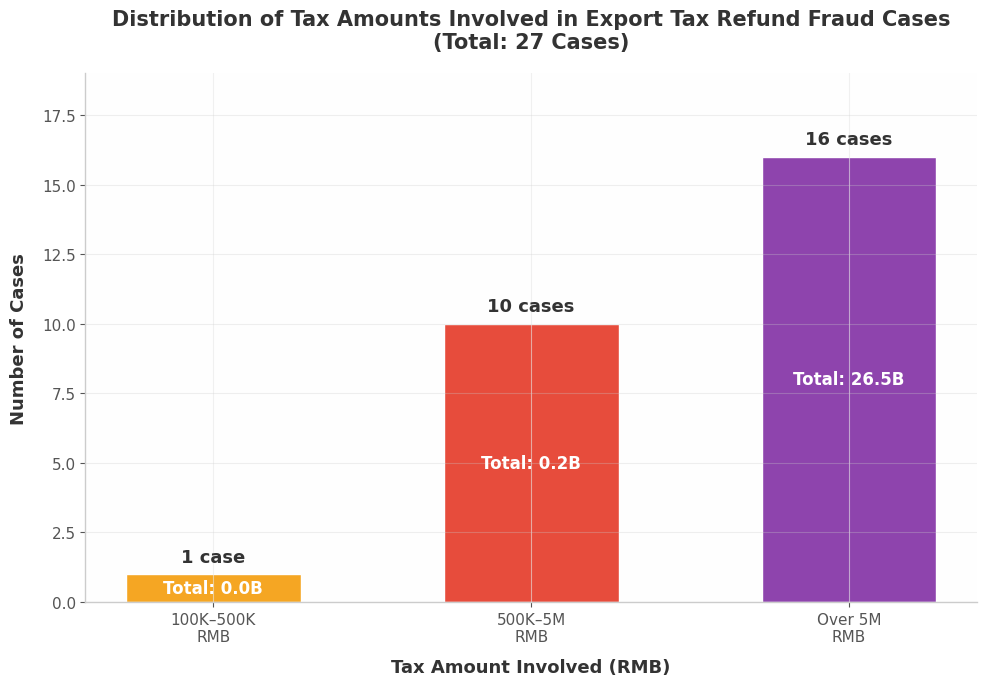
[Image 2: Tax Amount Involved Chart — A chart showing that nearly 60% of cases involve tax amounts exceeding RMB 5 million. 16 cases combined account for 98.5% of the total tax amount.]
Nearly 60% of cases involve tax amounts exceeding RMB 5 million, with 16 cases combined accounting for 98.5% of the total tax amount. Tax fraud crimes demonstrate obvious large-scale and industrialized characteristics; small-scale sporadic tax fraud has become extremely rare.
(C) Sentencing Situation
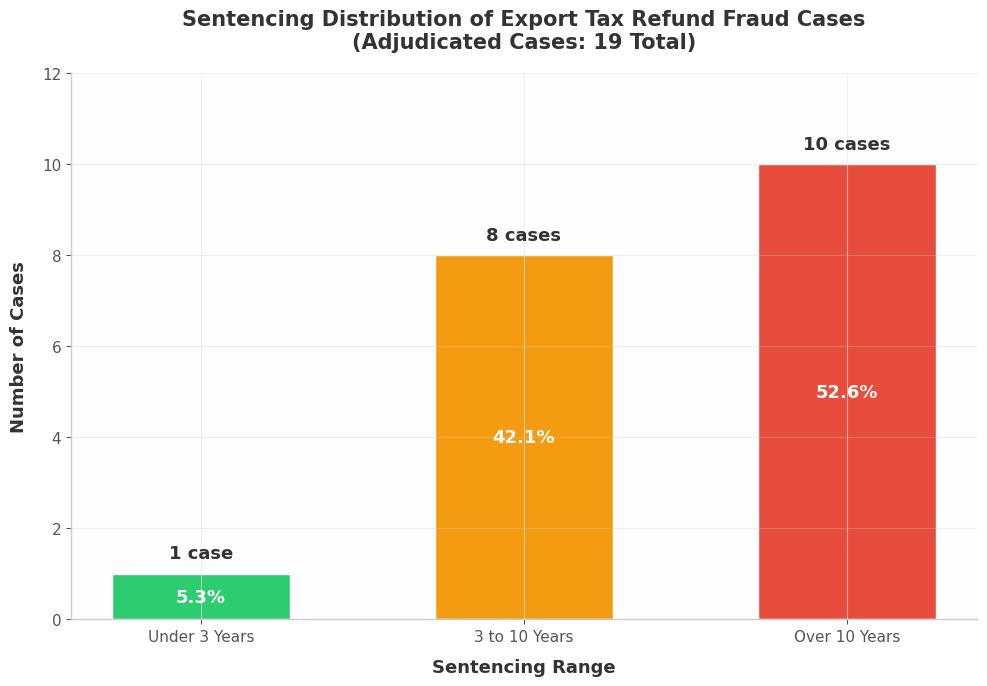
[Image 3: Sentencing Chart — A chart showing that among adjudicated cases, over half (52.6%) received sentences of more than ten years; 42.1% received three to ten years; and only 5.3% (one accomplice with suspended sentence) received less than three years.]
Among adjudicated cases, over half (52.6%) received sentences of more than ten years; three to ten years accounted for 42.1%; and less than three years accounted for only 5.3% (only one case of an accomplice with suspended sentence). This reflects the judicial organs' clear stance of "severe punishment" for export tax refund fraud crimes, with an extremely high rate of heavy sentences.
II. Six Types of Tax Fraud Patterns and Typical Cases Among the 27 Export Tax Refund Fraud Cases
(A) "Purchasing Documents and Matching Invoices" Type (Misappropriating Others' Export Business)
Corresponding to Item 5 of Article 7 of the SPC & SPP Judicial Interpretation: forging or signing false sales contracts, and using illegal means to obtain export customs declarations to fabricate exports; and Item 1: using fraudulently issued or illegally purchased special VAT invoices to apply for tax refunds.
1. Criminal Methods:
Achieved through the "purchasing documents and matching invoices" method, i.e., purchasing third-party export customs declaration information and disguising it as self-operated export business ("purchasing documents"), matching it with fraudulently issued special VAT invoices ("matching invoices"), and misappropriating others' goods export business to defraud national export tax refunds.
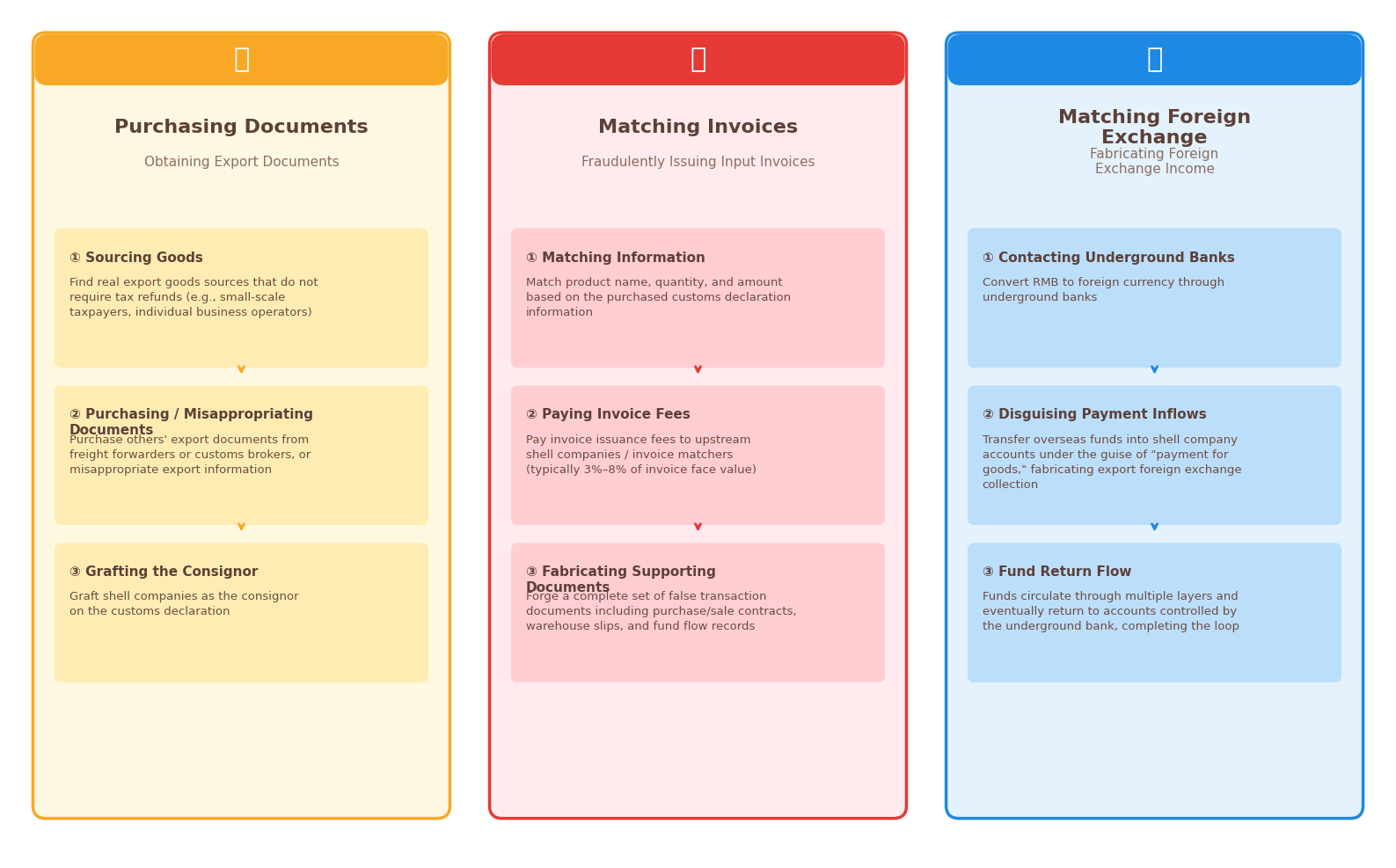
[Image 4: Schematic Diagram of "Purchasing Documents and Matching Invoices" Type Export Tax Refund Fraud ]
2. Typical Cases
Typical Case 1 | Export Tax Refund Fraud by Five Enterprises Under Guangzhou Winnuo Trading
Source: Official Announcement by the Guangdong Provincial Tax Service, State Taxation Administration, dated April 24, 2026
Amount Involved: RMB 27.5241 million in fraudulently obtained export tax refunds
Criminal Methods: The criminal gang long-term collected small-value export customs declaration information from market retail vendors and directly applied it to their own shell enterprises; batch-established shell companies with no actual production to fraudulently issue supporting input invoices; utilized underground banks to fabricate overseas remittance flows; throughout the entire process there was no self-owned goods circulation, no genuine overseas buyers, and no actual trade settlement, yet they batch-applied for tax refunds.
Judgment: Six defendants were sentenced to fixed-term imprisonment ranging from 5 years to 11 years and 6 months, all concurrently subject to substantial fines.
Typical Case 2 | Export Tax Refund Fraud by Defendant Dong Moujia
Source: Shangzhi City People's Court, Heilongjiang Province
Amount Involved: RMB 1.1956 million in fraudulently obtained export tax refunds
Criminal Methods: Defendant Dong Moujia individually carried out standard "purchasing documents and matching invoices" operations, possessing no self-owned export goods whatsoever. Over a long period, he purchased idle customs declaration documents from freight forwarders, contacted upstream enterprises to fraudulently issue corresponding input invoices, established a personal account fund return flow chain, and repeatedly applied for export tax refunds.
Judgment: Defendant Dong was convicted of the crime of fraudulently obtaining export tax refunds and sentenced to five years and six months of fixed-term imprisonment, plus a fine of RMB 1.22 million.
(B) "Under-Value Over-Declaration" Type (Falsifying Product Name, Quantity, and Unit Price)
Corresponding to Item 4 of Article 7 of the SPC & SPP Judicial Interpretation: fabricating elements such as product name, quantity, and unit price of export business eligible for tax refunds, and applying for export tax refunds by falsely increasing the refund amount; and Item 1: using fraudulently issued or illegally purchased special VAT invoices to apply for tax refunds.
1. Criminal Methods
The perpetrator simultaneously controls both domestic trade and foreign trade segments. The enterprise's own goods are actually declared for export, but the declared unit price is artificially and substantially raised, export quantity is falsely increased, and even product names are tampered with, falsely increasing the tax base for refunds, cooperating with fraudulently issued input invoices to falsely increase the basis for refunds. Specifically:
Step 1: Use a domestic trade company to obtain fraudulently issued input invoices (agricultural product purchase invoices or special VAT invoices) to falsely increase taxes already paid on goods in the domestic circulation segment;
Step 2: Use the domestic trade company to sell goods intended for export to the foreign trade company, while issuing high-value input invoices to increase the foreign trade company's refund basis;
Step 3: The foreign trade company signs high-price export contracts with foreign buyers, declares exports at inflated prices, and then uses the increased input tax amount from the high-value invoices to apply for export tax refunds from tax authorities, achieving the purpose of obtaining excess refunds.
Although the domestic trade company's high-value invoices generate additional output tax, this is offset by falsely increasing input tax, thereby eliminating actual tax payment obligations. Thus, without paying additional taxes, they obtain additional export tax refunds.
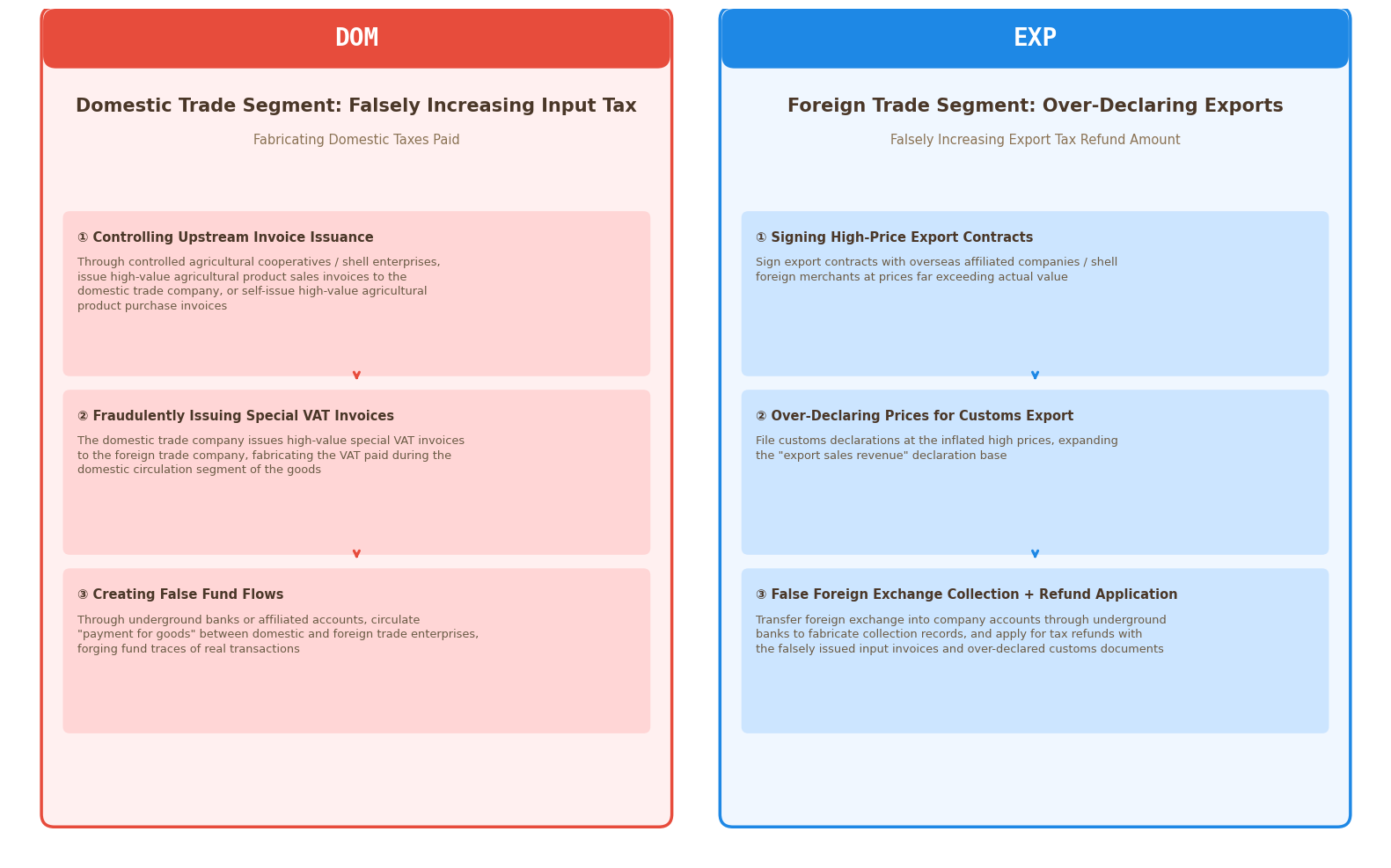
[Image 5: Schematic Diagram of "Under-Value Over-Declaration" Type Export Tax Refund Fraud .]
2. Typical Cases
Typical Case 1 | "Prop Goods" Tax Fraud Case in Yuhuatai District, Nanjing
Source: First-instance judgment by the Yuhuatai District People's Court, Nanjing; upheld on appeal in May 2026
Amount Involved: 730 export declarations totaling over 670 metric tons of goods, with a combined price and tax value of RMB 2.148 billion, fraudulently obtaining RMB 238 million in tax refunds
Criminal Methods: The gang used ordinary dextrin costing less than RMB 10 per kilogram as "prop goods," falsely declaring them as precious Chinese herbal medicine extracts, and inflating the customs declaration unit price to USD 400 per kilogram. They established a full-chain operation: upstream fraudulent issuance of large-value input invoices, customs declarations cooperating with false declarations, foreign trade platform refund applications, and underground banks fabricating foreign exchange collections. After export, the goods had no overseas end-user sales and were used solely for defrauding tax refunds.
Judgment: Zhao Renyu, Lin Yongfa, and 10 others were sentenced to 5–10 years of fixed-term imprisonment, with fines ranging from RMB 1 million to 6 million; the involved pharmaceutical enterprise was fined RMB 15 million; the underground bank operators were separately convicted of the crime of illegal business operations.
Typical Case 2 | Guizhou Chishui Huidafeng Trading Case
Source: Official Announcement by the State Taxation Administration, dated February 27
Amount Involved: RMB 54.6509 million in fraudulently obtained export tax refunds
Criminal Methods: The enterprise's self-owned shiitake mushroom extract was genuinely exported, but the customs declaration price was substantially inflated. Simultaneously, they fraudulently issued VAT input invoices, signed false purchase and sale contracts, used underground banks for cross-border false foreign exchange settlement, and artificially expanded the refundable tax amount.
Judgment: Principal offender Yu Jian was sentenced to 13 years of fixed-term imprisonment, with all personal property confiscated; five accomplices were sentenced to 2 years and 6 months to 5 years and 2 months, all with concurrent fines.
(C) Circular Import/Export Type (Goods Exported and Then Smuggled Back to Be Re-declared for Export)
Corresponding to Item 6 of Article 7 of the SPC & SPP Judicial Interpretation: after goods are exported, they are brought back into the territory, or identical goods from abroad are brought into the territory for circular import/export and tax refund applications.
1. Criminal Methods
The perpetrator declares the same batch of goods for export to abroad, applies for export tax refunds, and then uses smuggling or other illegal means to bring the goods back into the territory, paired with fraudulently issued special VAT invoices and other documents, re-declares them for export and applies for refunds, operating in a circular manner to defraud multiple refunds. The goods serve merely as "props" used repeatedly, with no genuine overseas end-user sales.
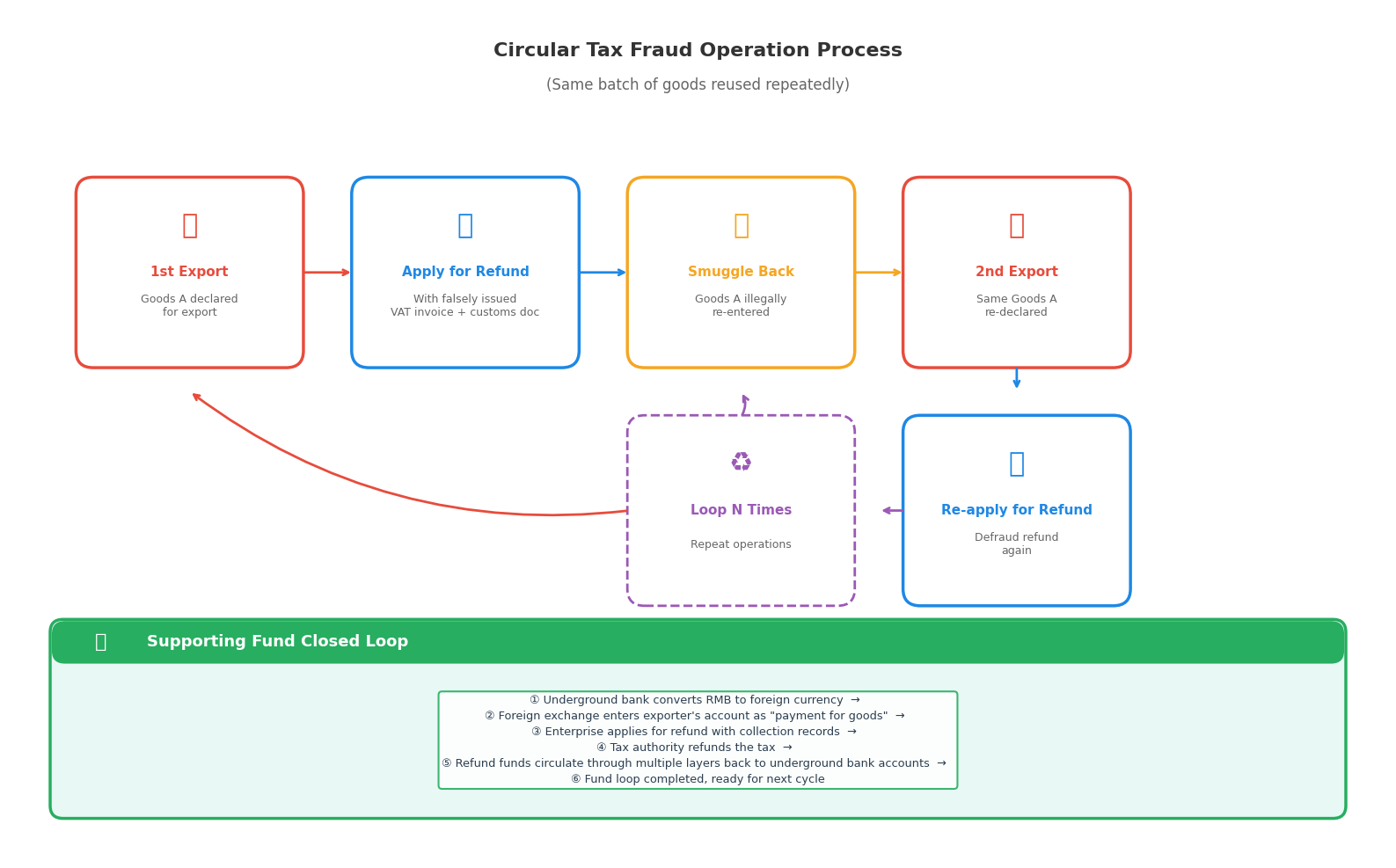
[Image 6: Schematic Diagram of "Circular Export" Type Export Tax Refund Fraud — A flowchart showing goods being exported, refunded, smuggled back, and re-exported in a loop.]
2. Typical Cases
Typical Case 1 | Huang's Circular Import/Export Tax Fraud Case
Source: Criminal Trial Reference, Issue No. 147
Amount Involved: Fraudulently issued invoices with a combined price and tax value of RMB 7.93 billion; fraudulently obtained over RMB 870 million in tax refunds
Criminal Methods: Large quantities of goods were exported to Hong Kong and then smuggled back, with tax refunds cyclically applied for; multi-layered personal accounts and underground banks were used to establish a closed-loop fund flow. Throughout the entire process, there was no actual foreign trade transaction demand.
Judgment: Principal offender Huang was sentenced to life imprisonment, deprivation of political rights for life, and confiscation of all personal property.
Typical Case 2 | Sang's Circular Mobile Phone Tax Fraud Case
Source: Yuhuatai District People's Court, Nanjing; selected as one of Nanjing's Top Ten Economic Crime Cases of 2025
Amount Involved: Several hundred million RMB in fraudulently obtained tax refunds
Criminal Methods: Sang registered seven shell foreign trade enterprises as refund platforms. Mobile phones were declared for export to Hong Kong and then smuggled back into the territory; the same batch of goods was repeatedly declared for export and tax refunds were applied for. Using genuine goods exports as a disguise, a complete set of input invoices and foreign exchange flows was forged.
Judgment: Sang was convicted of the crime of fraudulently obtaining export tax refunds and sentenced to 11 years of fixed-term imprisonment, plus a fine of RMB 20 million.
(D) Falsely Declaring Product Category Type (Disguising Non-Refundable Products as Refundable Products)
Corresponding to Item 7 of Article 7 of the SPC & SPP Judicial Interpretation: falsely declaring the functions, uses, etc. of export products, and applying products not eligible for refund policies as refundable products.
1. Criminal Methods
National export tax refund policies do not apply to all goods. Goods subject to export restrictions or prohibitions cannot enjoy refund policies, and different goods have different refund rates. The essence of the "falsely declaring product category" type of tax fraud is "policy arbitrage" — perpetrators exploit the differentiated provisions of national export tax refund policies, using simple processing, changing packaging, falsely declaring product names, and other methods to disguise products not eligible for refund policies or with low refund rates as products eligible for high refund rates, declaring them for export and applying for refunds.
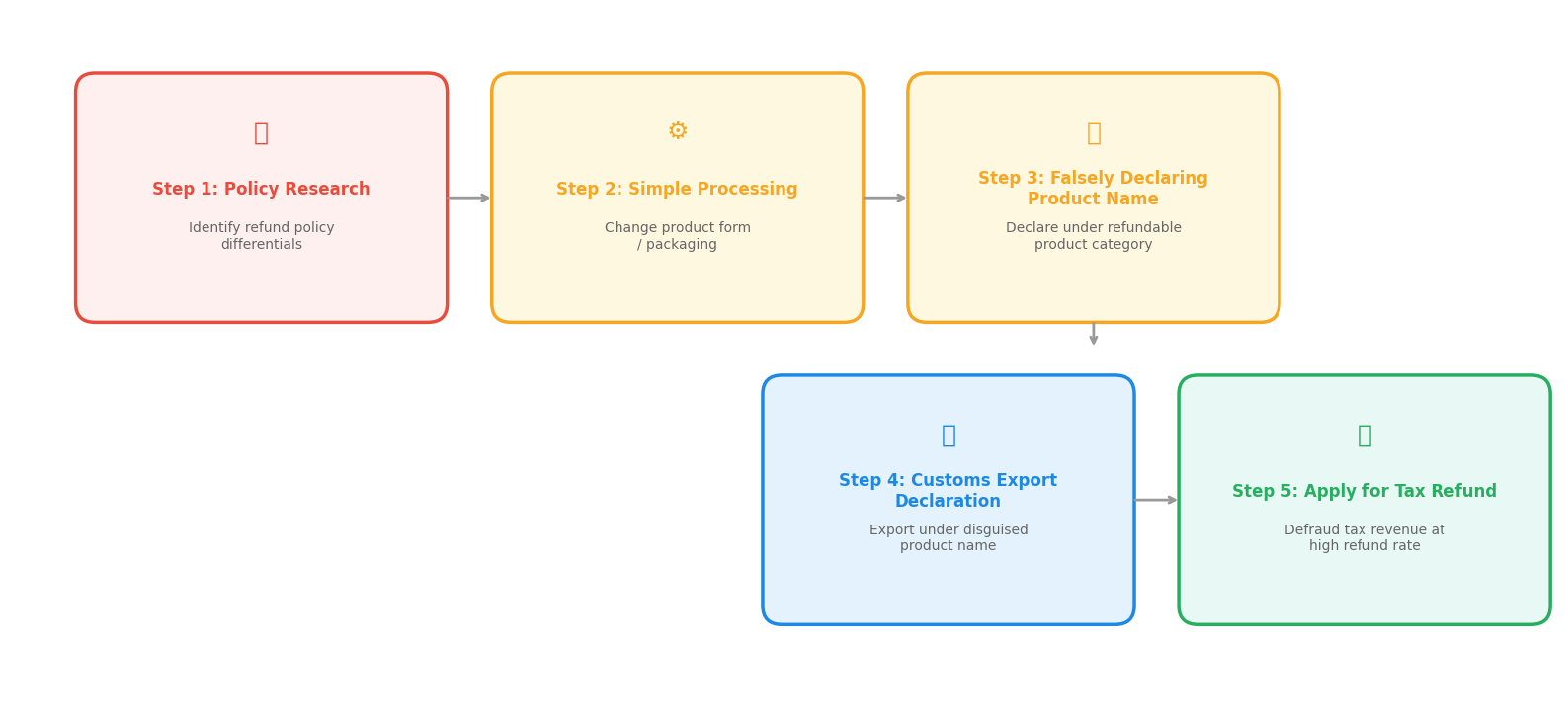
[Image 7: Schematic Diagram of "Falsely Declaring Product Category" Type Export Tax Refund Fraud — A flowchart showing how non-refundable or low-refund-rate products are disguised as high-refund-rate products.]
2. Typical Cases
Typical Case 1 | Silver Misdeclaration Tax Fraud Case Involving Nanjing Dong [Anonymized] Platinum Enterprise
Source: Criminal Trial Reference, Issue No. 147
Amount Involved: Over RMB 400 million in fraudulently obtained export tax refunds
Criminal Methods: Policy stipulates that goods with a silver content exceeding 80% are prohibited from receiving export tax refunds. The gang performed simple processing on silver raw materials and artificially controlled the silver content to 78.5%, falsely declaring the product name as "sputtering target assemblies" for customs declaration. After the goods were exported to Hong Kong, they were disassembled to recover the silver backplates for cyclic reuse, with no overseas end-user sales.
Judgment: Actual controller Yao Mougang was sentenced to 14 years of fixed-term imprisonment and fined RMB 50 million; the defendant enterprise was fined RMB 400 million.
(E) Falsely Reporting Exports (Completely False Export Business)
Corresponding to Item 5 of Article 7 of the SPC & SPP Judicial Interpretation: forging or signing false sales contracts, or using forged, altered, or other illegal means to obtain export customs declarations, transport documents, etc., fabricating export facts to apply for export tax refunds.
1. Criminal Methods
"Falsely reporting exports" means the perpetrator has absolutely no real goods exports. Through forging or signing false sales contracts, forging customs declarations and transport documents, fabricating foreign exchange collection records, and other means, they fabricate an entire export transaction chain out of thin air, applying for export tax refunds from tax authorities to defraud national tax revenue.
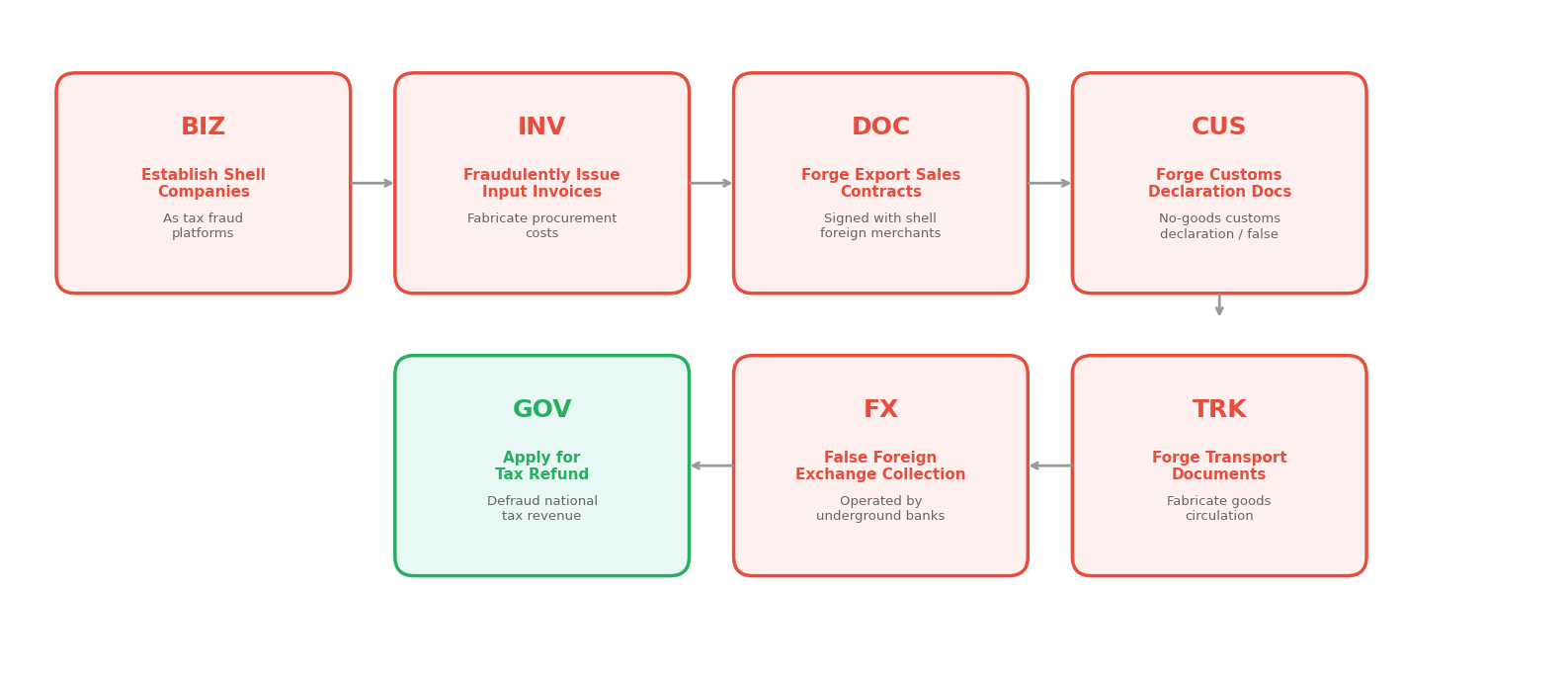
[Image 8: Schematic Diagram of the Operational Chain of "Falsely Reporting Exports" Export Tax Refund Fraud — A flowchart showing the completely fabricated export transaction chain from false contracts to forged documents to fake foreign exchange records.]
2. Typical Cases
Typical Case 1 | Shanghai Defendant Li's Export Tax Refund Fraud Case
Source: Shanghai Huangpu District People's Court, Criminal Judgment No. (2026) Hu 0101 Xing Chu No. 206
Amount Involved: Combined price and tax value of RMB 4.4274 million, with tax amount of RMB 509,300; Li collected an invoice issuance fee of 7.5%, totaling RMB 332,000
Criminal Methods: The principal offender completely fabricated foreign trade goods transactions, accompanied by forged customs declarations, foreign trade contracts, and packing lists. Li was an accomplice, fraudulently issuing 43 special VAT invoices at the source, with funds returning to Li's personal account. There was no genuine goods circulation whatsoever.
Judgment: Li was sentenced to three years of fixed-term imprisonment, suspended for four years, and fined RMB 200,000.
Typical Case 2 | Henan Sentmei Trading Tax Fraud Case
Source: Official Tax News, Henan Provincial Tax Service, State Taxation Administration
Amount Involved: RMB 995,300
Criminal Methods: Controlled shell foreign trade companies with no actual operations; purchased others' customs declarations ("purchasing documents"), paired with fraudulently issued special VAT invoices from upstream enterprises; filed false declarations with contradictory information on goods origin and source; payment for goods returned in a closed loop to the individual's own account within a short period, utilizing underground banks for false foreign exchange settlement.
Judgment: Actual controller Li Anding was convicted of both the crime of illegal business operations and the crime of fraudulently obtaining export tax refunds. Sentences were combined, resulting in eight years and six months of fixed-term imprisonment and a fine of RMB 1.1 million.
(F) New Cross-Border E-Commerce Tax Fraud (Model 9810 "Pre-Refund Upon Departure")
In January 2025, the State Taxation Administration issued a new policy specifically supporting the Model 9810, a significant benefit known as "pre-refund upon departure." This new policy completely changed the previous situation where refund funds were tied up for long periods. In the past, goods exported to overseas warehouses through Model 9810 had to wait until they were actually sold overseas before分批 applying for refunds, with a very long capital recovery cycle. Under the new rules, as long as goods are declared and depart, enterprises can immediately apply for refunds with customs declarations and other materials. However, this policy dividend for the new business format has triggered a new type of tax fraud model with strong concealment. As cross-border e-commerce develops, such tax fraud cases may increase.
1. Criminal Methods
Registering false overseas warehouse entities; having no corresponding platform terminal order sales records, with no actual sales after goods are declared and depart; fraudulently issuing input invoices, multi-layered fund return flows.
2. Typical Cases
Typical Case | A Shenzhen Fraudulent Invoicing and Tax Fraud Gang Case
Source: Exposed by Shenzhen Tax Bureau, June 2026
Amount Involved:
Criminal Methods: The gang controlled multiple shell enterprises and registered false overseas warehouse entities; there were no corresponding platform terminal order sales records, and goods had no actual sales after customs declaration and departure; they fraudulently issued input invoices and established multi-layered fund return flows, fraudulently obtaining pre-refund tax payments of RMB 53.4214 million.
Current Status: All tax payments have been fully recovered, and all involved personnel have been transferred to the procuratorial organs.
III. Defense Strategies for Export Tax Refund Fraud Under the SPC & SPP Judicial Interpretation
(A) Fake Self-Operation, Real Agency, and "Four Self-Brought, Three Not-Seen" Do Not Equal Export Tax Refund Fraud
1. Whether the Export Enterprise Subjectively Knew the Cargo Owner Was Committing Tax Fraud
Regarding the prevalent "fake self-operation, real agency" and "four self-brought, three not-seen" business models in the foreign trade industry, past judicial practice long suffered from the error of objective imputation of guilt. As long as an enterprise had the business appearance of "self-brought customers, self-brought goods sources, self-brought drafts, self-customs declaration; not seeing goods, not seeing cargo owners, not seeing foreign merchants," or lent foreign trade qualifications to conduct affiliated agency business, it was directly presumed to constitute export tax refund fraud. Article 6 of the 2002 Interpretation on Several Issues Concerning the Specific Application of Law in Adjudicating Criminal Cases of Fraudulently Obtaining Export Tax Refunds directly used "four self-brought, three not-seen" (self-brought customers, goods sources, drafts, self-customs declaration; not seeing goods, not seeing cargo owners, not seeing foreign merchants) as the basis for convicting of export tax refund fraud. Judicial practice often objectively attributed guilt, presuming that foreign trade enterprises had reckless intent to commit tax fraud. In 2004, Criminal Trial Reference stated: "If the other party intends to fraudulently obtain export tax refunds, it is impossible for the foreign trade company to not notice at all when handling export tax refunds," thereby presuming that the foreign trade enterprise "at minimum had indirect intent."
In March 2024, the SPC & SPP Judicial Interpretation was issued, deleting the above provision that "four self-brought, three not-seen" constitutes tax refund fraud, and adding Article 19's provision on accomplices: "Whoever knowingly provides accounts, credit certificates, or other assistance to others committing crimes endangering tax collection and administration shall be treated as an accomplice to the corresponding crime." This indicates that the "fake self-operation, real agency" model is no longer directly convicted based on business model. Examining the core of this interpretation revision, there is an essential distinction between administrative violations and criminal offenses. The key distinction does not lie in whether the business operation model is compliant, but in whether the perpetrator's subjective and objective elements are unified.
From the perspective of tax export supervision, "fake self-operation, real agency" and "four self-brought, three not-seen" are merely violations of foreign trade operation order. The corresponding regulatory logic is to standardize the lending of foreign trade qualifications and improve full-process review obligations for export business. Enterprises will only face administrative measures such as denial of refunds, recovery of taxes, suspension of refund qualifications, and administrative fines. Export tax refund fraud, however, is a criminal offense. It regulates behavior where the subject, knowing that upstream or downstream parties are engaged in fabricating goods, fraudulently issuing invoices, or fund return flows for tax fraud, still actively provides qualifications, documents, and accounts to cooperate with others in obtaining national tax refunds, sharing in the illegal proceeds of refunds, and actually causing treasury tax revenue losses. If an enterprise is determined to have committed export tax refund fraud, the entity and principal responsible persons will face varying degrees of criminal penalties.
Table 1: Distinction Between Administrative and Criminal Violations of Fake Self-Operation, Real Agency / Four Self-Brought, Three Not-Seen
|
Comparison Dimension |
Administrative Violation Only |
Constituting Export Tax Refund Fraud (Criminal Offense) |
|
Subjective State of Mind |
No intent to commit tax fraud; unaware that the affiliated party is fabricating fraud |
Knowingly aware that the other party is committing tax fraud; conspiracy exists before or during the act |
|
Objective Conduct |
Only lending qualifications; completing full-process review of goods, invoices, and funds |
Cooperating in forging customs declarations, fraudulently issuing invoices, and establishing fund return flows |
|
Revenue Model |
Only charging fixed agency fees; not participating in refund sharing |
Sharing illegal proceeds from tax fraud; earning high profits from tax fraud |
|
Tax Consequences |
Not causing loss of national tax revenue |
Directly causing treasury refund funds to be defrauded; creating net losses |
|
Legal Consequences |
Denial of refunds, fines, suspension of refund qualifications (administrative liability only) |
Fixed-term imprisonment, fines, confiscation of illegal proceeds (criminal liability) |
2. Defense Logic: Existence of Fake Self-Operation, Real Agency or Four Self-Brought, Three Not-Seen Does Not Equal Export Tax Refund Fraud
The core review focus for lawyers should be on: whether the enterprise knew the other party was committing tax fraud, whether there was criminal conspiracy with upstream or downstream parties regarding tax fraud, whether there was participation in forging documents, fund return flows, or other substantive tax fraud conduct, and whether the enterprise shared in illegal proceeds from tax refunds.
Negating "Appearance-Based Presumption of Subjective Knowledge," i.e., distinguishing "administrative violations of business models" from "criminal knowledge of participating in tax fraud": Merely having the non-compliant business appearance of affiliation or lending qualifications does not equal knowing that the other party is committing tax fraud. There must be complete evidence proving that the enterprise clearly knew the affiliated party was engaged in fraudulent invoicing, purchasing documents, false customs declarations, or other tax fraud conduct. Foreign trade enterprises can defend by proving they have established complete export review processes, retained full sets of correspondence investigation, inspection, and fund verification materials, have sound risk control systems, and did not detect downstream fabrication of tax fraud. They can also defend by proving the enterprise only charges fixed agency fees, that fee standards are not linked to refund amounts, that they never participated in sharing illegal proceeds from refunds, and that there was no motive to profit from defrauding national tax revenue.
Severing the criminal conspiracy for tax fraud, proving that the foreign trade enterprise and the affiliated tax fraud principal had no prior conspiracy and no mid-act coordination, merely lending foreign trade qualifications, with no common intent to fraudulently obtain export tax refunds. Foreign trade enterprises can present evidence that they did not participate in any core segments of tax fraud throughout the entire process (forging customs documents, establishing fund return flows, false foreign exchange settlement, refund application operations), only providing business qualifications and standard blank documents, and did not participate in the planning or implementation of the entire tax fraud scheme, thereby excluding accomplice determination.
(B) Under-Value Over-Declaration Exports Are Not Automatically Export Tax Refund Fraud
1. Comparison Between Export Tax Refund Fraud and Tax Evasion
Regarding under-value over-declaration type export tax refund fraud, there has been a cognitive misconception in the past: as long as export prices are over-declared and the refund base is falsely increased, it constitutes export tax refund fraud. However, from the underlying logic of criminal offenses, the core difference between tax refund fraud and tax evasion does not lie in whether the declaration method is non-compliant, but in whether it causes a new net loss of national tax revenue. The purpose of export tax refund policy is to refund taxes already borne by export goods within the territory back to enterprises, thereby increasing the competitiveness of export goods in the international market. The essence of export tax refund fraud is "creating something out of nothing" type defrauding of national tax revenue. Typically, the upstream party of the foreign trade enterprise has not fully paid taxes in the domestic circulation segment, and the export enterprise defrauds unpaid taxes, infringing upon national property rights. The essence of tax evasion is fraudulently recovering already paid taxes. Typically, the upstream party of the foreign trade enterprise has fully paid taxes in the domestic circulation segment. Although the export enterprise has conduct falsely increasing the refund basis, the falsely increased refund basis through the domestic trade enterprise's high-value invoices has been legally taxed by the domestic trade enterprise when the high-value invoices were issued, not infringing upon national property rights.
Combining Article 204, Paragraph 2 of the Criminal Law and the new judicial interpretation's adjudication standards, we can precisely define the qualitative boundary between these two types of conduct: If the case involves real goods exports, and the upstream supplier has truthfully and fully paid VAT, even if the supplier issued high-value invoices, the high-value taxes have already been paid. The enterprise's under-value over-declaration application conduct essentially attempts to recover taxes it has already paid, not defrauding taxes that the state has not collected, and not causing a net loss of national tax revenue. In this situation, even if the declaration method has false or non-compliant defects, it fully meets the constituent elements of tax evasion and should be downgraded from the serious crime of export tax refund fraud to the lesser crime of tax evasion. Conversely, only when the upstream party issued high-value invoices but did not actually pay VAT, or offset the high-value output tax through falsely increasing input tax, failing to actually fulfill tax payment obligations, and the enterprise uses under-value over-declaration to fabricate tax payment facts and defraud taxes that the state has not collected, causing direct treasury losses, does it meet the conviction standard for export tax refund fraud.
Table 2: Distinction Between Tax Evasion and Export Tax Refund Fraud for Under-Value Over-Declaration Conduct
|
Comparison Dimension |
Under-Value Over-Declaration → Tax Evasion |
Under-Value Over-Declaration → Export Tax Refund Fraud |
|
Underlying Tax Logic |
Only recovering VAT already paid by the enterprise |
Defrauding taxes never collected or deposited by the state |
|
Upstream Tax Payment Status |
Upstream party fully paid VAT; high-value portion already taxed |
Upstream party did not pay taxes; falsely issued and offset; no actual tax deposit |
|
National Tax Revenue Loss |
No new net treasury loss |
Causes large-scale treasury tax revenue outflow |
|
Essential Nature of Conduct |
Non-compliant over-declaration of self-paid taxes |
Creating something out of nothing to obtain national fiscal funds |
|
Statutory Exoneration Space |
Has administrative pre-condition supplementary payment exoneration clause |
No supplementary payment exoneration |
2. Defense Logic: Under-Value Over-Declaration Should Not Directly Determine Tax Refund Fraud
Export segment operational methods such as "under-value over-declaration," "purchasing documents and matching invoices," and "goods circularization" are not the core standards for determining export tax refund fraud. Lawyers' review focus should be on: whether there are acts of fraudulently issuing special VAT invoices without paying taxes during the domestic goods circulation process, and whether actual VAT losses are caused.
Negating "Price Falsification Equals Tax Fraud," i.e., distinguishing "mere untruthful declaration prices" from "fabricating tax payment facts to defraud unpaid taxes": Merely declaring under-value over-declaration or falsely increasing declared goods value does not necessarily cause new losses of national tax revenue. It must be verified that the upstream party did not actually pay the corresponding VAT and that the treasury incurred real tax deficits before export tax refund fraud can be determined. The involved foreign trade enterprise can defend by proving the existence of real goods exports, that upstream suppliers have fully paid VAT, that taxes corresponding to the high-value portion have been completely paid, and that they merely over-declared to recover taxes they had already borne. They can also defend by proving the enterprise had no fabricated goods sources, no supporting fund return flow fabrication conduct, and that subjectively they merely sought to recover more of their own paid taxes, with no intent to obtain taxes that the state had not collected.
Severing the qualitative boundary of tax revenue loss, distinguishing between "recovering already paid taxes" and "creating something out of nothing to defraud treasury funds." Although the enterprise has non-compliant under-value over-declaration conduct, it never participated in the core tax fraud segments of falsely issuing input invoices or forging procurement business to create false tax payment bases. It only raised goods value in the export declaration segment. The essential nature of the conduct meets the constituent elements of tax evasion, not export tax refund fraud. At the same time, relying on the statutory clause of supplementary payment exoneration for tax evasion, the defense of downgrading from a serious crime can be achieved.
In summary, the path to reclassifying as tax evasion is:
If evidence can prove:
-
The upstream supplier has truthfully paid VAT (has real input tax)
-
The export enterprise merely over-declared refunds through methods such as "under-value over-declaration"
-
Essentially, it is "defrauding back" already paid taxes
Then tax evasion should apply rather than export tax refund fraud. The core advantage of tax evasion lies in the "administrative pre-condition procedure" stipulated in Article 201, Paragraph 4 of the Criminal Law — after tax authorities legally issue recovery notices, if the enterprise supplements the payable taxes, pays late fees, and has received administrative penalties, criminal responsibility shall not be pursued.
(C) Upstream Invoice-Issuing Parties Without Common Tax Fraud Intent Should Not Be Treated as Accomplices
1. Comparison Between Solely Constituting the Crime of Falsely Issuing Special VAT Invoices and Constituting an Accomplice to Export Tax Refund Fraud
Regarding full-chain export tax fraud cases, judicial organs have previously had an expansionist misconception of full-chain accountability. As long as an upstream enterprise issued special VAT invoices to a downstream foreign trade company, and the downstream party ultimately used those invoices to apply for and fraudulently obtain export tax refunds, the upstream invoice-issuing party was directly presumed to be an accomplice to export tax refund fraud. However, combining the underlying logic of accomplice liability in criminal law and Article 19 of Fa Shi [2024] No. 4 on accomplice determination rules, the core difference between solely constituting the crime of falsely issuing special VAT invoices and constituting an accomplice to tax refund fraud does not lie in whether invoices corresponding to foreign trade business were issued, but in whether the invoice-issuing party knew the downstream invoice-receiving enterprise would use the invoices to fraudulently obtain export tax refunds, and whether there was prior or mid-act conspiracy for tax fraud between the parties.
The crime of falsely issuing special VAT invoices regulates the conduct of issuing invoices without real transactions or with untruthful transactions, disrupting the VAT deduction chain. The invoice-issuing party merely knows of transaction defects and simply issues false invoices, not knowing the subsequent flow or use purpose of the invoices, infringing upon domestic VAT collection and administration order. An accomplice to export tax refund fraud requires the invoice-issuing party to clearly know that the downstream party will use the fraudulently issued invoices together with customs declarations and false foreign exchange collection materials to apply for export tax refunds, actively cooperating in the implementation of the entire tax fraud chain, jointly targeting the acquisition of national export tax refunds, directly causing treasury tax revenue losses.
Table 3: Qualitative Comparison Between Upstream Invoice-Issuing Parties Solely Constituting the Crime of Falsely Issuing Special VAT Invoices and Constituting an Accomplice to Export Tax Refund Fraud
|
Comparison Dimension |
Solely Constituting the Crime of Falsely Issuing Special VAT Invoices |
Constituting an Accomplice to Export Tax Refund Fraud |
|
Subjective Knowledge |
Unaware that invoices are used for export tax refunds |
Clearly knows downstream party uses invoices to apply for refunds |
|
Criminal Conspiracy |
No prior or mid-act tax fraud collusion |
Prior conspiracy; agreement to jointly implement tax fraud for profit |
|
Participation Segments |
Only issuing invoices; no contact with customs declarations, refunds, or fund return flows |
Cooperating in adjusting invoice amounts, assisting fund return flows, participating in full-chain operations |
|
Revenue Source |
Only collecting payment for goods/fixed invoice issuance fees |
Sharing by refund amount; obtaining large profits from tax fraud |
|
Conviction Logic |
Evaluating false issuance conduct separately; severing downstream refund conduct |
Upstream and downstream forming a complete joint criminal chain |
Therefore, in practice we must clarify two key distinctions:
First, "knowledge of false invoice issuance" does not equal "knowledge of export tax refund fraud";
Second, "independent invoice issuance conduct" does not equal "joint tax fraud conduct."
The real business status of most upstream invoice-issuing parties is: they only have real goods transactions or simple invoice issuance conduct with downstream parties, collecting payment for goods or regular invoice issuance fees according to market prices, not participating in any core segments of downstream tax fraud such as customs declarations, refund applications, fund return flows, or document forgery, with no prior conspiracy, no mid-act coordination, and no refund benefit sharing.
For such subjects, even if there are violations or criminal acts of falsely issuing special VAT invoices, they merely solely constitute false issuance crimes, completely severed from the downstream export tax refund fraud conduct, with no common criminal intent, and absolutely cannot be determined to be accomplices to tax refund fraud.
2. Defense Logic: Upstream Invoice-Issuing Parties Without Common Tax Fraud Intent Should Not Be Treated as Accomplices
Negating "knowledge of tax fraud," i.e., distinguishing "general knowledge of false issuance" from "specific knowledge of tax fraud": Merely knowing of false issuance ≠ knowing it is used for tax fraud; proof of knowledge of the "export tax refund" segment must be established. Therefore, upstream invoice-issuing parties can defend by proving that the issuer only knew of "goods purchase and sale/invoice issuance on behalf," and was unaware that the invoice-receiving party would use the invoices to fraudulently obtain export tax refunds. They can also defend by proving that the issuer collected invoice fees/payment for goods according to normal business practices, did not participate in sharing tax fraud proceeds, and had no interest connection to tax fraud.
Severing criminal conspiracy, proving that the invoice-issuing party and the tax fraud principal had no prior conspiracy and no mid-act coordination, with only independent false issuance conduct existing, and no common intent to commit tax fraud. Upstream invoice-issuing parties can prove that the issuer did not participate in core segments of tax fraud (forging customs declarations, fund return flows, refund applications), only provided invoices, and did not participate in the overall planning of tax fraud.


